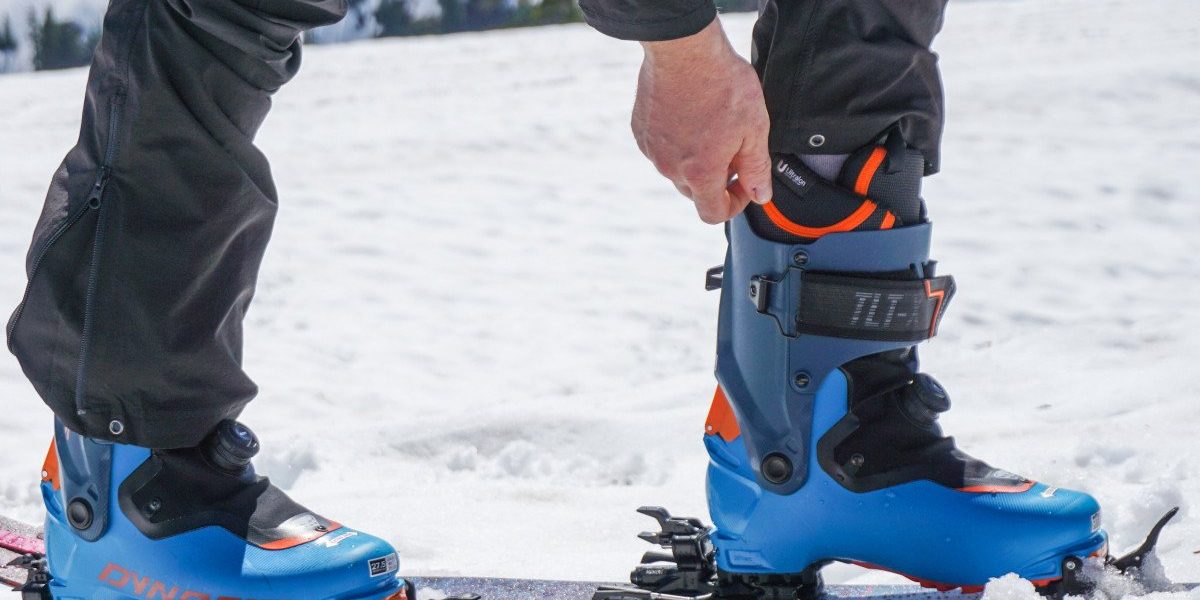

Ski boots weight can vary, but on average, ski boots weigh between 4 to 5 pounds each. The importance of understanding how much do ski boots weigh goes beyond just the number on the scale. It impacts your comfort, performance, and overall skiing experience. Whether you’re a beginner hitting the slopes for the first time or a seasoned pro looking to upgrade, knowing the weight of your ski boots is key to finding the perfect fit. Let’s dive deeper into this often overlooked aspect of skiing gear.

How Much Do Ski Boots Weigh?
Welcome to our ultimate guide on the weight of ski boots! If you’re an avid skier or preparing for your first ski trip, you may have wondered how much those bulky ski boots weigh. In this article, we’ll delve deep into the world of ski boots and explore everything you need to know about their weight.
Understanding the Importance of Ski Boot Weight
When hitting the slopes for a day of skiing, your gear plays a crucial role in your performance. Ski boots are an essential component of your equipment, providing support, control, and comfort while you navigate the snowy terrain. The weight of your ski boots can impact your overall skiing experience, affecting your agility, endurance, and balance on the slopes.
Factors Influencing Ski Boot Weight
Several factors contribute to the weight of ski boots. The design, materials, and features of the boots all play a role in determining how heavy or light they are. Here are some key factors that influence the weight of ski boots:
1. Boot Type
The type of ski boots you choose can significantly impact their weight. Alpine ski boots, designed for downhill skiing, tend to be heavier than touring boots, which are built for backcountry skiing and uphill travel. Race boots, optimized for speed and performance, may also be lighter than standard alpine ski boots.
2. Construction Materials
The materials used in the construction of ski boots can affect their weight. High-performance boots often incorporate lightweight materials like carbon fiber, while recreational boots might feature more traditional materials like plastic. The choice of liners, buckles, and other components also contributes to the overall weight of the boots.
3. Boot Size
The size of your ski boots can impact their weight, as larger sizes may require more material to provide adequate support and insulation. Additionally, boots with wider or narrower lasts may have varying weights due to the differences in their construction.
Typical Weight Range of Ski Boots
So, how much do ski boots actually weigh? The weight of ski boots can vary depending on the factors mentioned above. On average, a pair of adult alpine ski boots typically weighs between 7 to 10 pounds (3.2 to 4.5 kilograms). However, race boots or high-performance models may weigh as little as 5 pounds (2.3 kilograms), while touring boots can range from 4 to 7 pounds (1.8 to 3.2 kilograms) per pair.
It’s essential to consider the weight of your ski boots in relation to your skiing style and preferences. Lighter boots may offer increased agility and comfort, while heavier boots could provide more stability and support on challenging terrain.
Impact of Ski Boot Weight on Performance
The weight of your ski boots can influence your skiing performance in various ways. Here are some factors to consider:
1. Maneuverability
Lighter ski boots generally allow for quicker and more precise movements, making them ideal for skiers looking to navigate through tight turns and rapid descents with ease. Heavier boots may require more effort to maneuver but can offer enhanced stability at higher speeds.
2. Fatigue
The weight of your ski boots can contribute to fatigue over an extended period of skiing. Lighter boots may reduce strain on your legs and feet, helping you maintain energy throughout the day. However, heavier boots may provide better support and reduce muscle fatigue in certain skiing conditions.
3. Comfort
The weight of your ski boots can impact your comfort level on the slopes. Finding a balance between weight and fit is essential to ensure that your boots offer adequate support without causing discomfort or pain during long hours of skiing.
Choosing the Right Ski Boots for You
When selecting ski boots, it’s crucial to consider your skiing ability, style, and preference for weight. Try on different boots to assess their fit, comfort, and overall feel before making a decision. Keep in mind that the right pair of ski boots should not only match your weight but also provide the necessary support and performance for your skiing adventures.
Whether you opt for lightweight touring boots or robust alpine ski boots, understanding the weight of your ski boots is a key step in maximizing your enjoyment on the slopes. Choose wisely, and embark on your next skiing adventure with confidence!
Hopefully, this guide has shed light on the weight of ski boots and how it can impact your skiing experience. Remember, the weight of your ski boots is just one piece of the puzzle in the exciting world of skiing!
How Much Do Ski Boots Weigh? – The Winter Sport Xpert
Frequently Asked Questions
What factors can affect the weight of ski boots?
The weight of ski boots can be influenced by several factors, including the material used in construction, the size of the boot, additional features like insulation or extra buckles, and the specific style of boot (alpine, touring, racing, etc).
Do ski boot weights vary between different brands?
Yes, ski boot weights can vary between different brands due to differences in their design philosophies, materials used, and manufacturing techniques. Some brands may prioritize lightweight construction, while others may focus more on performance features.
How much do typical ski boots weigh?
On average, a pair of ski boots can weigh anywhere between 4 to 5 pounds (1.8 to 2.3 kilograms). However, this weight can vary based on the factors mentioned earlier, such as size, style, and brand.
Are lighter ski boots always better for performance?
While lighter ski boots can offer advantages in terms of agility and reduced fatigue, the best boot weight for performance can vary depending on the skier’s skill level, skiing style, and preference. Some skiers may prefer slightly heavier boots for added stability and power.
Final Thoughts
Ski boot weight is a crucial factor for skiers. On average, ski boots weigh between 2.5 to 5 pounds per boot. This weight can impact comfort, performance, and fatigue levels on the slopes. Choosing the right ski boot weight is essential for an enjoyable skiing experience. Consider the weight when selecting ski boots to ensure optimal fit and performance on the mountain. In conclusion, understanding how much ski boots weigh is key to maximizing your skiing enjoyment.