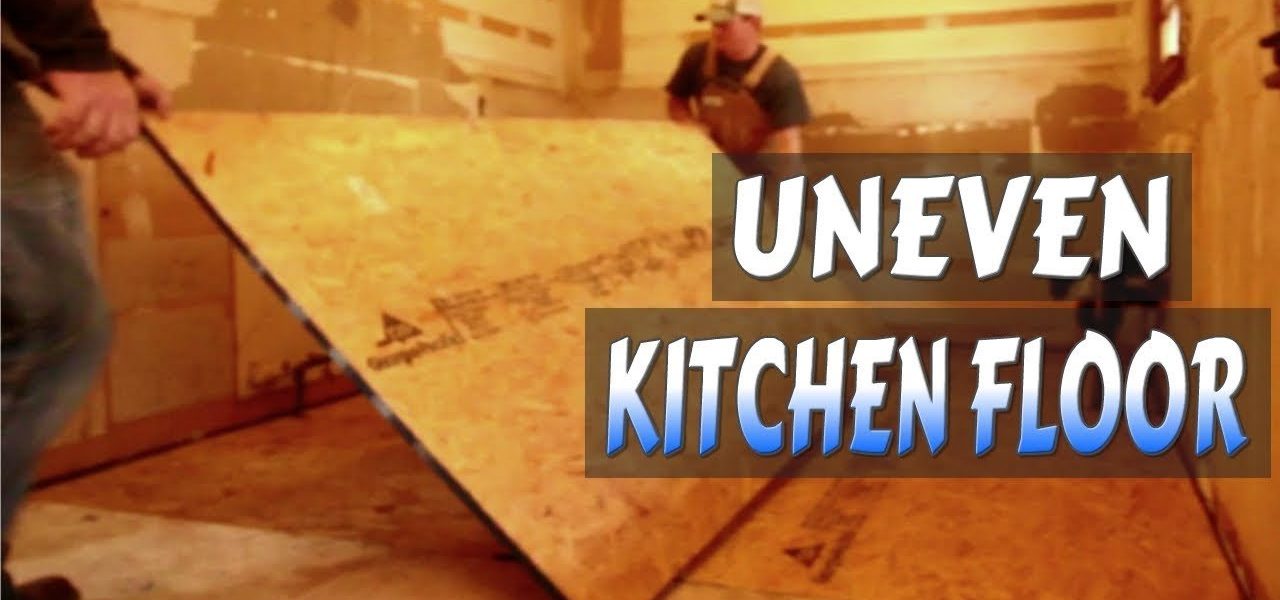

Uneven floors can be a frustrating issue in any home, causing annoyance and even safety concerns. The good news is that you can tackle this problem head-on with some simple solutions. From leveling compounds to shimming techniques, there are several ways to address how to fix uneven floor effectively. By following the right steps and using the proper tools, you can restore your floors to a level and stable condition. Let’s dive into the practical methods that can help you achieve a smooth and safe floor surface.

How to Fix Uneven Floor: A Comprehensive Guide
Welcome, DIY enthusiasts and homeowners! Dealing with an uneven floor in your home can be bothersome, but fear not, as we are here to guide you through the process of fixing it. Whether you have hardwood floors, laminate, tile, or carpet, we’ve got you covered with practical solutions to restore your floor to its former glory. Let’s dive in and learn how to fix that uneven floor once and for all!
Identifying the Cause of Uneven Floors
Before you can tackle the problem, it’s essential to understand what’s causing the unevenness in your floor. Uneven floors can result from various issues such as improper installation, moisture damage, settling of the foundation, or structural problems. By identifying the root cause, you can determine the most effective solution to fix your uneven floor.
Gathering the Necessary Tools and Materials
Once you’ve pinpointed the reason behind your floor’s unevenness, it’s time to gather the tools and materials you’ll need for the repair. Depending on the severity of the issue, you may require items such as a level, shims, floor patching compound, adhesive, screws, a hammer, and protective gear. Having the right supplies on hand will make the fixing process smoother and more efficient.
Fixing Uneven Floors in Different Flooring Types
Each type of flooring requires specific methods to address unevenness effectively. Let’s explore how you can fix uneven floors based on the flooring material:
1. Hardwood Floors
If your hardwood floors are uneven, you can try sanding down the higher spots to level them with the rest of the floor. Alternatively, using a floor leveling compound can help provide a smooth and even surface. Make sure to refinish the floor after leveling for a seamless look.
2. Laminate Floors
Laminate floors can be challenging to fix when uneven due to their floating nature. In such cases, consider using shims to level out the floor or adding an underlayment for support. Avoid excessive moisture exposure, as laminate is susceptible to swelling.
3. Tile Floors
For uneven tile floors, you may need to replace the damaged tiles and apply a new layer of thin-set mortar to ensure a level surface. Properly spacing the tiles and grouting them evenly is crucial for a uniform appearance. Seal the grout to prevent moisture penetration.
4. Carpeted Floors
If your carpeted floors are uneven, you can lift the carpet and padding to inspect the subfloor. Address any issues with the subfloor, such as dips or bumps, before reinstalling the carpet. Use a knee kicker and carpet stretcher to properly lay the carpet and eliminate wrinkles.
Professional Help vs. DIY Approach
While fixing an uneven floor can be a DIY project for those with handy skills, sometimes it’s best to seek professional assistance, especially for complex issues like structural problems or extensive damage. A professional can offer expertise and ensure the job is done correctly to prevent future issues.
Maintaining a Level Floor
Once you’ve successfully fixed your uneven floor, it’s important to maintain its levelness to prolong its lifespan. Regularly inspecting the floor for signs of unevenness, addressing any minor issues promptly, and following proper maintenance practices can help keep your floor in top condition for years to come.
Congratulations! You’ve now learned how to fix an uneven floor like a pro. By understanding the cause of the unevenness, using the right tools and materials, and applying the appropriate techniques based on your flooring type, you can restore your floor’s smooth and level surface. Remember, a well-maintained floor not only enhances the aesthetics of your space but also ensures safety and comfort for you and your family. Now, go ahead and tackle that uneven floor with confidence!
How to Fix Uneven Subfloors – #shorts #homerepairtutor
Frequently Asked Questions
What causes an uneven floor?
An uneven floor can be caused by various factors, such as foundation settling, poor installation, water damage, or natural shifting over time. Identifying the root cause is essential for determining the appropriate fix.
How can I fix an uneven floor?
To fix an uneven floor, start by identifying the cause and extent of the problem. Solutions can range from simple fixes like using shims or self-leveling compound for minor issues to more complex solutions like jacking up the foundation or replacing damaged subflooring for severe cases.
Can I fix an uneven floor myself?
Yes, you can fix minor uneven floors yourself with some DIY solutions like leveling compounds or shims. However, for major or structural issues, it’s best to consult with a professional contractor or a structural engineer to ensure a proper and safe fix.
Is it necessary to repair an uneven floor?
Repairing an uneven floor is important not only for the aesthetics of your space but also for safety reasons. Uneven floors can cause tripping hazards, affect the stability of furniture, and indicate underlying issues that, if left unaddressed, could lead to more significant problems in the future.
Final Thoughts
In conclusion, fixing an uneven floor is crucial for a safe and sturdy foundation. Start by identifying the cause of the unevenness, such as excess moisture or structural issues. Then, level the floor using methods like self-leveling compound or shims. Finally, ensure the floor is properly sealed and finished for durability. By following these steps, you can effectively address and fix an uneven floor, ensuring a stable and flat surface for your home.